Go Organic Farmers Scheme
Bridging the gap between bio-waste donors and rural farmers by producing organic fertilizer from donated waste and distributing it free or at discounted rates during community outreach.
From Waste to Harvest in Four Steps
The Go Organic Farmers Scheme creates a simple but powerful loop, turning donated bio-waste into opportunity for Nigeria's rural farmers.
Organizations Donate Bio-Waste
Businesses, markets, farms, and institutions channel their organic waste to Scratop instead of sending it to landfills.
Scratop Produces Fertilizer
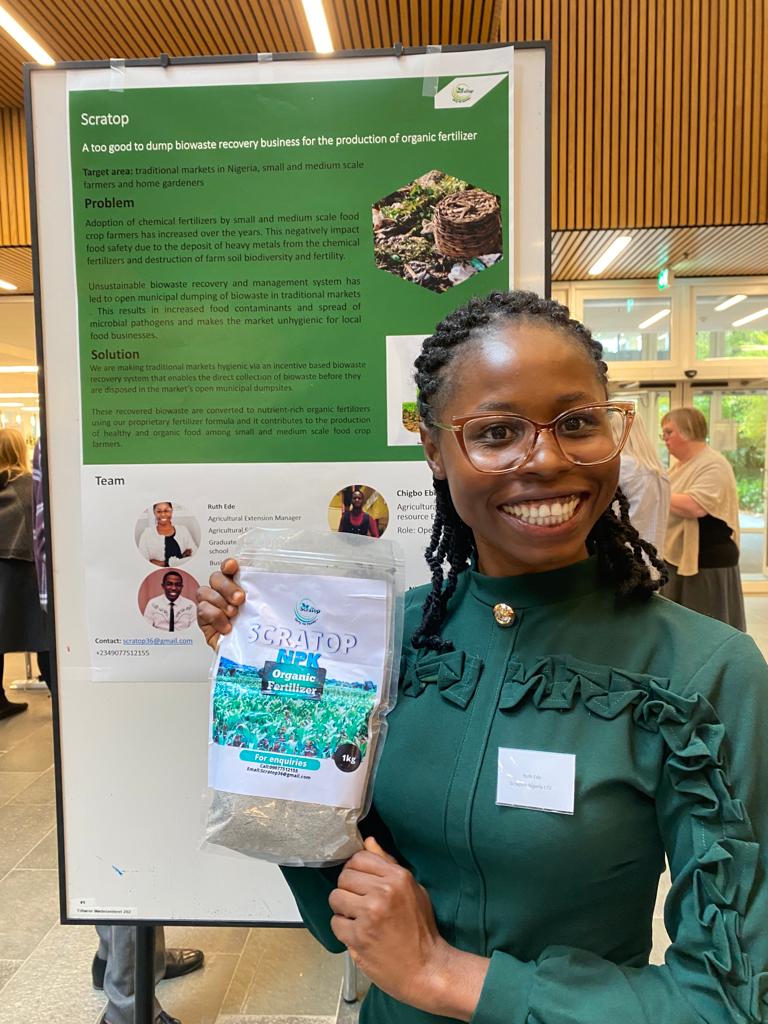
We process the donated bio-waste through our composting and bio-conversion systems, transforming it into premium organic fertilizer.
Community Outreach & Distribution
During farmer outreach events, rural farmers receive the organic fertilizer free of charge or at heavily discounted rates.
Farmers Grow Organically
Supported farmers adopt organic practices, improve their yields, protect their soil health, and grow safer food for their communities.
Impact That Grows
The Go Organic Farmers Scheme isn't just about fertilizer. It's about building a sustainable food system where waste becomes wealth and every farmer has the tools to succeed.
- Reduces landfill waste and environmental pollution
- Provides quality organic inputs to underserved farmers
- Empowers rural communities with sustainable farming tools
- Creates a circular economy from waste to food production
- Builds lasting partnerships between organizations and agriculture
- Aligns with multiple UN Sustainable Development Goals
Partner With Us
Whether you're an organization looking to responsibly dispose of bio-waste, a farmer seeking organic inputs, or a sponsor who wants to support sustainable agriculture, there's a role for you in the Go Organic Farmers Scheme.
For Organizations
Donate your bio-waste and support sustainable agriculture in rural communities.
For Farmers
Register your interest to receive free or discounted organic fertilizer during outreach events.
For Sponsors
Fund distribution, outreach events, and farmer training to multiply the impact.
Proudly Supported By